Essential Safety Gear for Long Distance Rides
Long distance motorcycle rides demand careful preparation, and selecting the right safety gear is a fundamental part of that process. The combination of extended hours in the saddle, varying weather conditions, and unpredictable road surfaces makes protective equipment more than just a legal requirement—it is a critical factor in maintaining both comfort and awareness throughout the journey. While no gear can eliminate all risks, understanding how each piece functions within a broader system of protection helps riders make informed decisions based on their specific needs and riding environment.
The relationship between comfort and safety is especially pronounced on long trips. Gear that fits poorly or restricts movement can cause fatigue, distraction, and reduced reaction times. Conversely, equipment designed with ergonomic features and breathable materials supports sustained alertness and allows riders to focus on the road. This article outlines the key categories of protective gear—helmets, jackets, gloves, and boots—and explains the features that contribute to their effectiveness during extended rides.
Approaching gear selection as a process rather than a purchase ensures that each item complements the others and addresses the unique demands of distance riding. Factors such as climate, riding style, and personal physiology all play a role. The following sections provide a framework for evaluating options based on construction, materials, fit, and functional design.
Helmets: Structure, Fit, and Ventilation
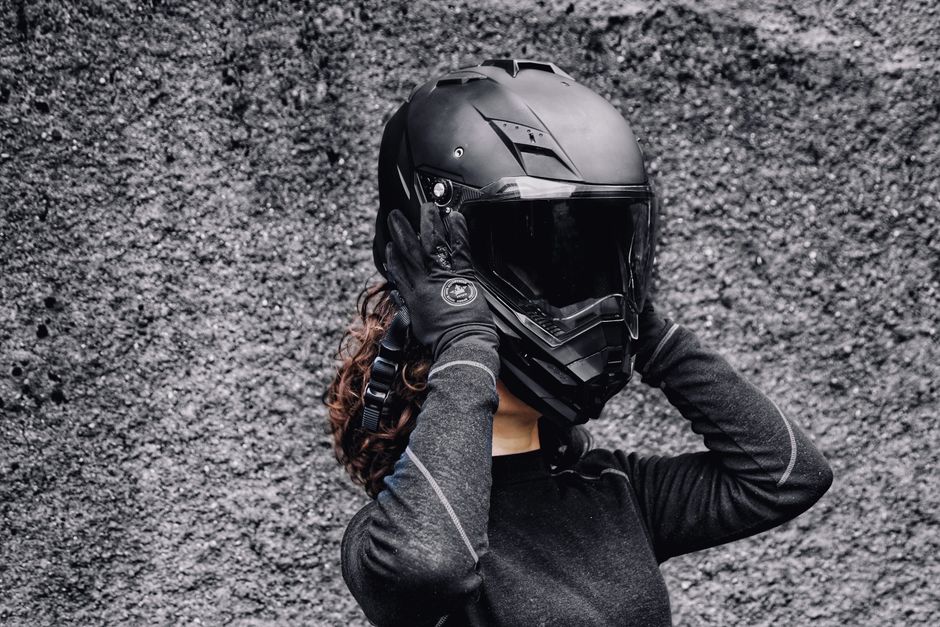
The helmet is the most visible and most regulated piece of safety gear. For long distance rides, its role extends beyond impact protection to include comfort features that affect the rider’s endurance over many hours. When evaluating a helmet, the first consideration is its certification. In the United States, DOT (Department of Transportation) compliance is the minimum standard, while ECE and Snell certifications indicate additional testing protocols. Riders often choose helmets that meet multiple standards for a wider margin of protection.
Fit is the second critical factor. A helmet should contact the head evenly without pressure points, and it should not shift during normal head movements or when the rider checks blind spots. Many manufacturers offer multiple shell shapes to accommodate different head profiles. For long rides, a snug but comfortable fit reduces fatigue and prevents the helmet from becoming a distraction. Ventilation becomes increasingly important as ride duration increases. Adjustable vents allow airflow to be controlled based on temperature and precipitation, reducing heat buildup without introducing excessive noise or wind resistance.
Weight also matters for extended use. Heavier helmets can strain the neck muscles over time, especially when riding upright touring motorcycles. Lightweight composite shells, such as those made from carbon fiber or advanced polycarbonate blends, help reduce this load. Visor clarity and anti-fog properties are additional considerations, as obscured vision on a multi-hour ride can lead to dangerous situations. Some helmets feature integrated sun visors or photochromic shields, which eliminate the need to swap visors during changing light conditions.
Jackets: Materials, Armor, and Adaptability
A riding jacket serves as the primary protective layer for the torso, arms, and shoulders. For long distance rides, the ideal jacket balances abrasion resistance with flexibility and climate management. Leather remains a popular option for its proven durability, but modern textile materials such as Cordura, Kevlar blends, and ballistic nylon offer comparable protection at a lower weight and with better weather adaptability. Many textile jackets include waterproof and breathable membranes like Gore-Tex, which are highly beneficial for unpredictable weather encountered on extended trips.
Armor placement is a key feature to examine. Jackets designed for touring often include CE-rated armor at the shoulders, elbows, and back. The armor should be removable and adjustable to correspond with the rider’s body geometry. Some jackets offer pockets for adding chest or back protectors, allowing riders to customize the level of protection. For long days in the saddle, articulated sleeves and pre-curved arms reduce restriction when reaching for handlebars, while stretch panels at the sides and underarms improve mobility without compromising coverage.
Ventilation is as important in jackets as in helmets. Zippered intake vents on the chest and exhaust vents on the back allow airflow to pass through the jacket, regulating body temperature during warm stretches. Removable thermal liners add versatility for cold starts in the morning or higher altitudes. A well-designed collar that does not chafe against the helmet, along with adjustable waist and cuff closures, helps seal out drafts and rain. These features collectively allow the jacket to adapt to the changes in weather and temperature that are common on long distance routes.
Gloves: Grip, Dexterity, and Protection
Gloves are often overlooked during gear selection, yet they play a crucial role in maintaining control and comfort over many hours. The hands are in constant contact with the motorcycle’s controls, and any loss of sensation or dexterity can compromise throttle, brake, and clutch inputs. For long distance riding, gloves should provide adequate protection without sacrificing the tactile feedback needed for precise operation.
Materials influence both protection and comfort. Leather gloves offer high abrasion resistance and conform to the hand over time, while textile gloves with reinforced palms provide lighter weight and often better waterproofing. Many riding gloves include armor on the knuckles, fingers, and palm sliders to reduce impact forces during a fall. However, excessive padding can reduce feel. Riders should test gloves by gripping their handlebars to ensure they can operate controls without interference.
Weather protection is a major consideration for extended trips. Waterproof liners or membranes keep hands dry in rain, while insulated versions maintain warmth in cold conditions. Vented gloves allow airflow in hot weather, preventing sweat buildup that can lead to blisters. The fit should be snug but not tight, particularly around the fingers and palm, to avoid numbness during long stretches. Gauntlet-style cuffs that extend over the jacket sleeve help keep out wind and debris, and reflective elements improve visibility during low-light riding.
Boots: Support, Protection, and Endurance
Footwear for long distance riding must serve multiple purposes: protecting the feet and ankles from impact and abrasion, providing support during standing or shifting, and remaining comfortable for hours of walking during rest stops. Touring boots typically offer a mid-height or tall design that covers the ankle and lower shin, with reinforced toe boxes and heel cups. Oil-resistant soles improve grip on slippery surfaces, while rigid inserts in the sole help reduce fatigue on foot pegs.
Waterproofing is a practical feature for distance riders. Boots with integrated membranes or sealed seams keep feet dry during rain or when crossing wet roads. Breathable materials also help control moisture from perspiration, reducing the risk of blisters. Adjustable closures, such as buckles, zippers, or Velcro straps, allow a customized fit without creating pressure points. For riders who may need to push a motorcycle or assist with loading gear, a supportive shank enhances walking stability.
Comfort features that are often built into touring boots include padded collars, shock-absorbing midsoles, and ergonomic shaping that matches the natural position of the foot on the peg. Ventilation ports or mesh panels can be incorporated for warm climates. Some boots include reflective panels or high-visibility accents for increased presence on the road. As with other gear, the fit should be tested with the socks the rider typically wears, and enough room should be present to allow slight swelling during prolonged use.
Integrating Gear into a Cohesive System
Selecting individual pieces of gear is only one part of the preparation process. The effectiveness of a complete safety system depends on how well the items work together. For example, jacket sleeves should overlap with glove gauntlets to prevent gaps, and boot tops should be covered by pant legs to keep debris out. Layering strategies allow riders to adjust insulation throughout the day without changing their primary gear. Many touring jackets and pants include zip-in liners or connection zippers that secure the jacket to the pants, creating a unified protective layer.
Maintenance also contributes to long-term performance. Helmets should be replaced after a significant impact or after five years of regular use, as materials degrade over time. Jackets and gloves should be cleaned and treated according to manufacturer instructions to preserve their waterproof and abrasion-resistant properties. Regular inspection of armor position and integrity ensures that protection remains where it is needed most. Riders who approach gear as a modular system and invest time in fitting and maintenance are better prepared for the demands of long distance riding.